
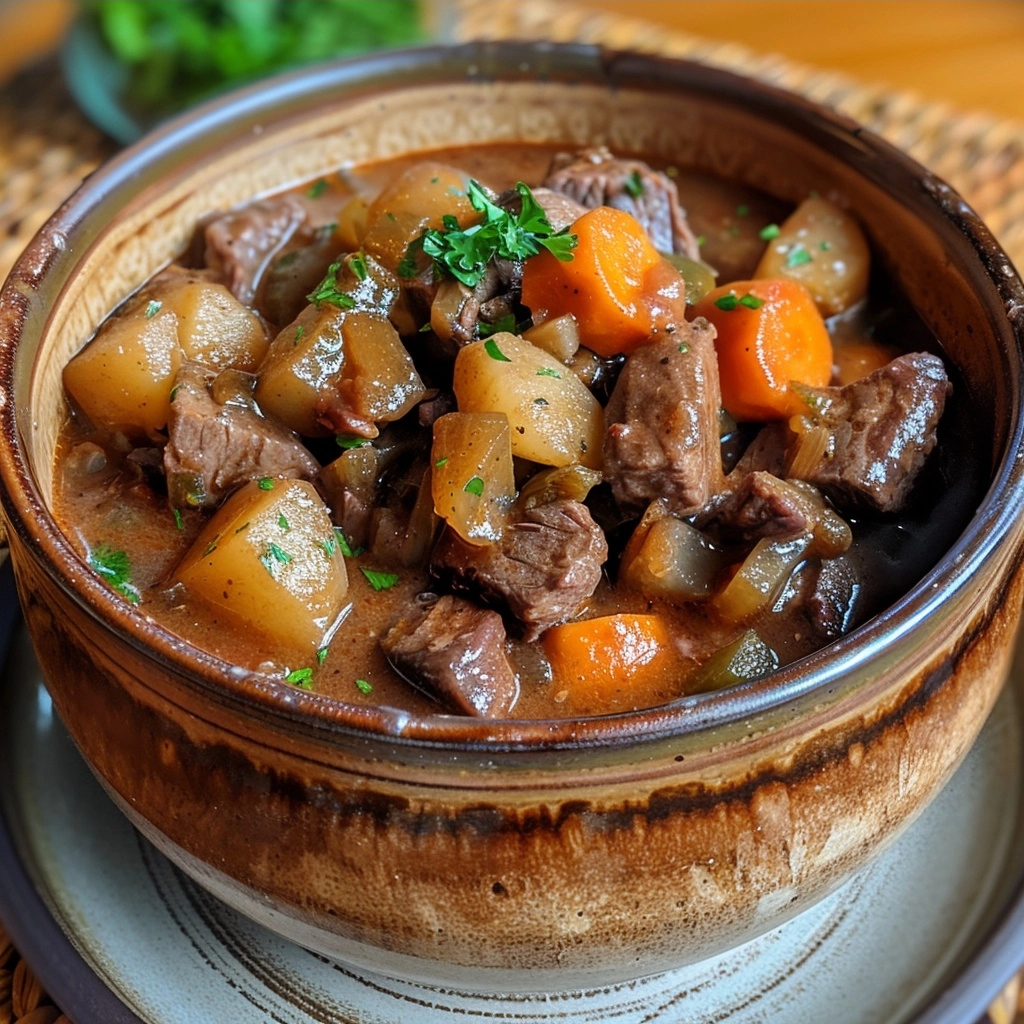
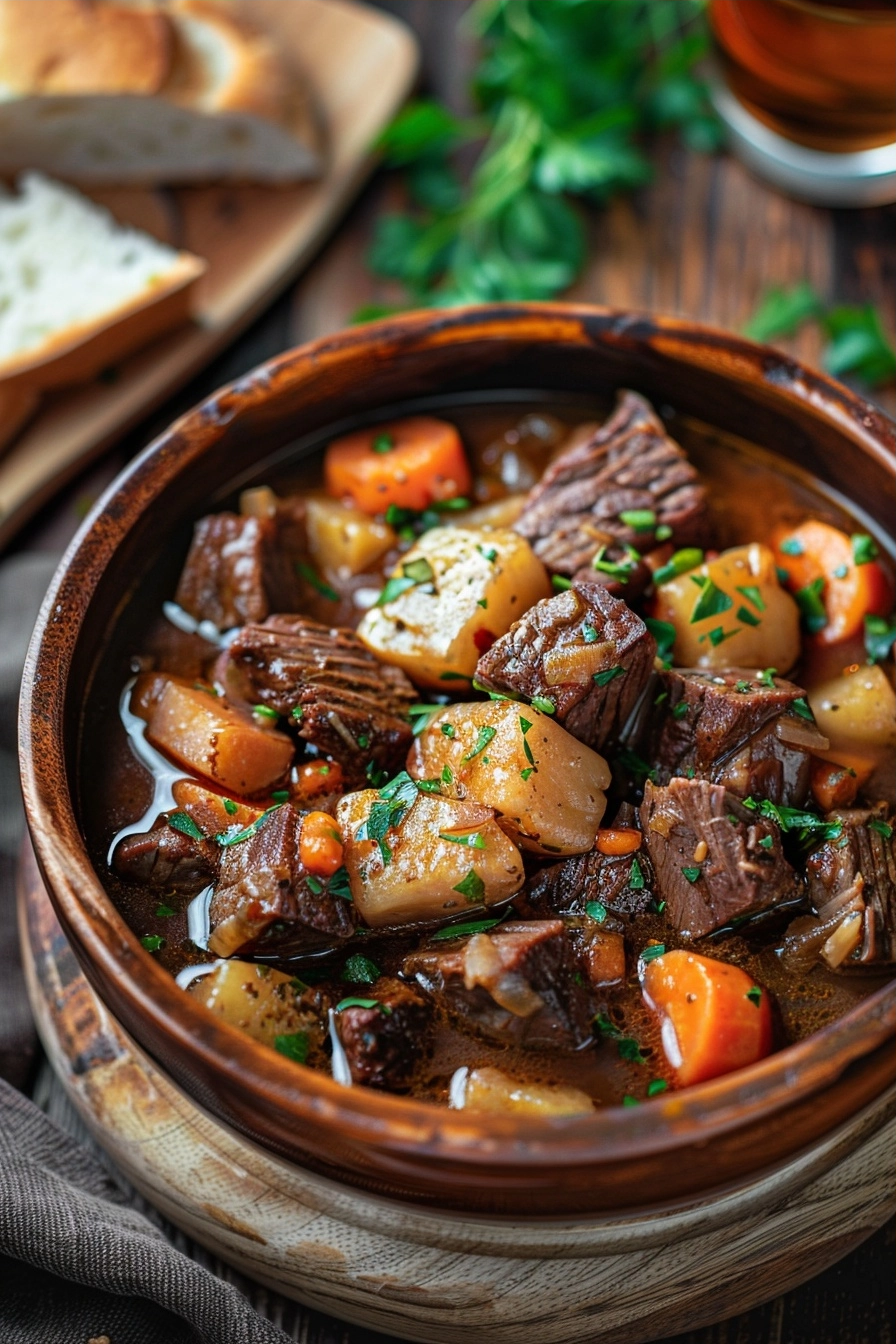
Old fashioned beef stew serves as a hearty, slow-cooked meal featuring tender chunks of beef, root vegetables, and a savory, thick broth. This traditional dish provides reliable nutrition and warmth, making it a staple for family dinners during cooler seasons. By following proper browning and simmering techniques, you create a depth of flavor that defines authentic comfort food without requiring complex ingredients or expensive culinary tools.
| Prep Time | Cook Time | Total Time | Servings | Difficulty | Cuisine |
|---|---|---|---|---|---|
| 20 mins | 3 hours | 3 hours 20 mins | 6 | Easy | American |
Why This Recipe Works
This recipe succeeds because it prioritizes the Maillard reaction by searing the beef deeply before any liquid enters the pot. Searing locks in surface flavors and provides the base for a rich, dark gravy that coats every potato and carrot perfectly.
I developed this method after years of testing various cuts of meat and thickening agents. The balance of aromatics and simple herbs creates a nostalgic profile that mimics long-simmered meals from classic kitchens. You will find that this approach eliminates the need for modern shortcuts, focusing instead on consistent heat management.
Ingredients
| Ingredient | Quantity | Notes |
|---|---|---|
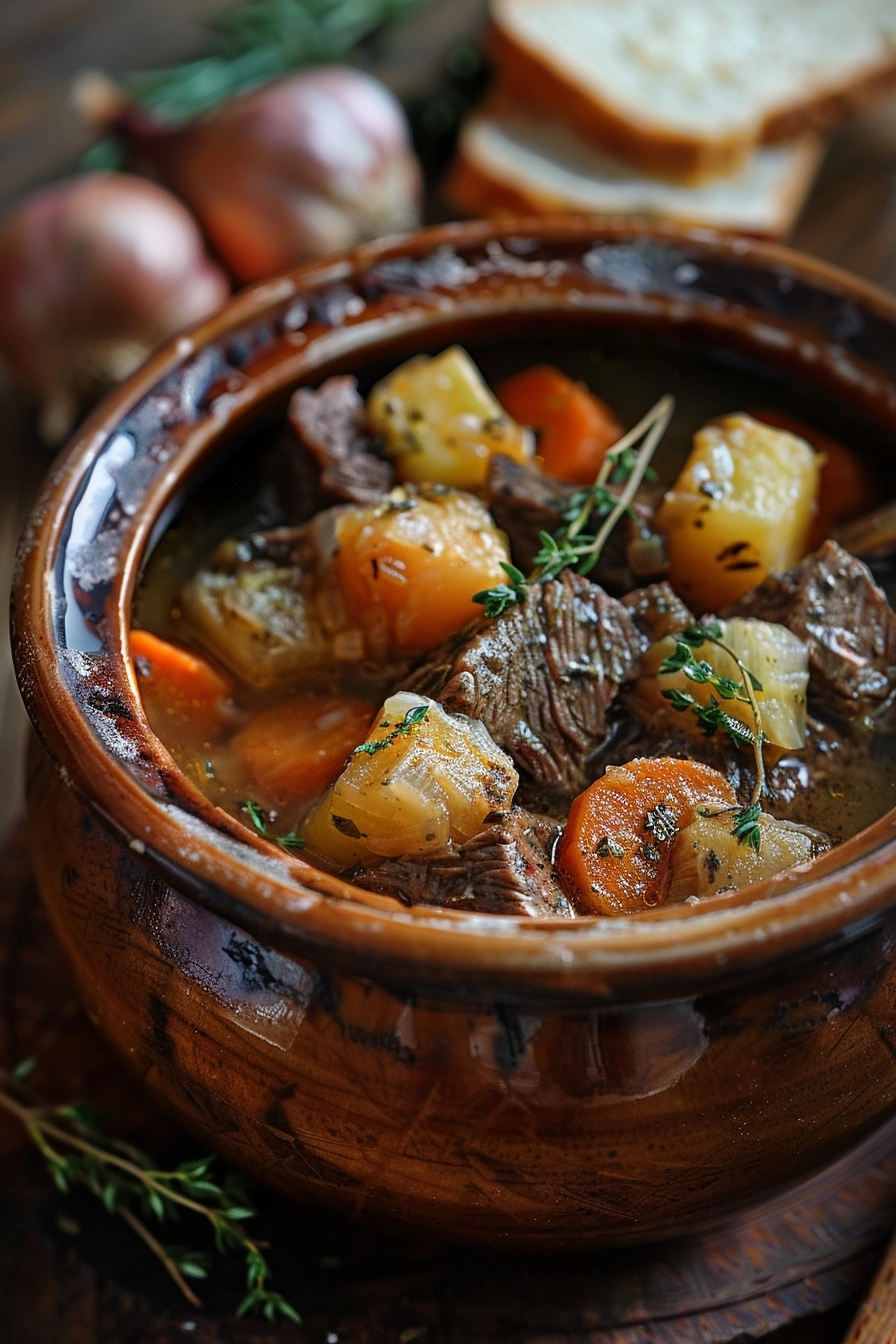
| Beef Chuck Roast | 2.5 lbs | Cut into 1.5-inch cubes |
| Beef Broth | 4 cups | Use low-sodium for control |
| Potatoes | 1 lb | Yukon Gold holds shape best |
| Carrots | 3 large | Cut into 1-inch chunks |
| Onion | 1 large | Yellow onion diced |
| Garlic | 4 cloves | Minced finely |
| Tomato Paste | 2 tbsp | Adds umami richness |
| All-Purpose Flour | 1/4 cup | For dusting and thickening |
Step-by-Step Instructions
Preparation and Searing
- Pat the beef cubes dry with paper towels to ensure a better sear.
- Toss the beef cubes in a bowl with flour, salt, and pepper until coated evenly.
- Heat oil in a heavy-bottomed Dutch oven over medium-high heat.
- Sear the beef in batches to prevent steaming until all sides turn deep brown.
Building the Base
- Remove beef and set aside, then add onions to the same pot.
- Sauté onions until translucent before adding garlic and tomato paste.
- Deglaze the bottom of the pot with a splash of broth to scrape up browned bits.
- Return the beef to the pot along with the remaining beef broth.
Simmering and Finishing
- Reduce heat to low, cover the pot, and simmer for 2 hours.
- Add the potatoes and carrots to the stew carefully.
- Cook for an additional 45 minutes until vegetables reach fork-tender consistency.
- Adjust seasoning with salt and fresh herbs before serving.
Chef Tips for Perfect Results
- Always pat your meat completely dry before searing to ensure a golden-brown crust rather than gray, steamed meat.
- Use a heavy-bottomed Dutch oven to provide even heat distribution and prevent scorching on the pot bottom.
- Add your vegetables in the final hour to prevent them from turning into mush during the long simmering process.
- Let the finished stew rest for 15 minutes off the heat to allow the sauce to thicken and flavors to meld.
- Season with fresh black pepper and parsley right before serving to brighten the heavy, savory notes of the broth.
Common Mistakes to Avoid
Overcrowding the pot during the searing stage creates steam and prevents the beef from developing a crust. Brown the meat in small batches to ensure consistent heat. Using low-quality broth results in a weak sauce. Always select a high-quality beef stock or broth to form the foundation of your gravy. Failing to deglaze the pot loses significant flavor depth held in the browned bits. Use a wooden spoon to scrape every bit of flavor from the bottom. Adding vegetables too early results in a textureless mush. Follow the timed addition instructions for firm, distinct vegetables.
Variations and Substitutions
| Ingredient | Substitution | Impact on Flavor |
|---|---|---|
| Potatoes | Parsnips | Adds a slight earthy sweetness |
| Beef Chuck | Beef Shank | Higher gelatin content for silkier sauce |
| Beef Broth | Mushroom Broth | Lighter, umami-forward profile |
Serving Suggestions and Pairings
Serve this stew alongside crusty homemade sourdough bread to soak up the thickened sauce. A simple garden salad with vinaigrette balances the richness of the beef. For a classic meal, prepare a side of buttered egg noodles or mashed potatoes to extend the servings. This dish works perfectly for family Sunday dinners or as a meal-prep option for busy work weeks.
Storage and Reheating
| Method | Duration | Instructions |
|---|---|---|
| Fridge | 3-4 days | Store in an airtight container |
| Freezer | 3 months | Freeze in portion-sized bags |
| Stovetop | 10 minutes | Reheat on low until simmering |
Nutritional Information
Approximate values per serving based on standard ingredients.
| Nutrient | Amount per Serving |
|---|---|
| Calories | 420 kcal |
| Protein | 35g |
| Fat | 18g |
| Carbohydrates | 28g |
| Sodium | 650mg |
Frequently Asked Questions
Can I use a different cut of beef for this recipe?
Beef chuck roast provides the best results due to its connective tissue that breaks down during simmering. You can use beef round, but it requires a slightly longer cook time to reach tenderness.
How do I fix a stew that is too thin?
Create a slurry by mixing one tablespoon of cornstarch with one tablespoon of cold water. Whisk this mixture into the simmering stew for two minutes until it reaches your desired thickness.
Is it possible to make this stew in a slow cooker?
Yes, you can transfer the seared beef and remaining ingredients into a slow cooker and cook on low for 7 to 8 hours. Ensure you still brown the meat beforehand to maximize flavor development.
Can I add more vegetables to the dish?
Yes, root vegetables like turnips or rutabagas provide excellent texture and pair well with beef. Add these at the same time as the carrots and potatoes to ensure even cooking.
How do I know when the meat is finished cooking?
The beef is finished when it yields easily to the pressure of a fork or knife. If the meat resists, continue simmering for another 20 minutes until it becomes tender.
Creating an old fashioned beef stew requires patience and quality ingredients. By focusing on the searing stage and timing your vegetable additions, you achieve a professional-grade meal at home. This recipe offers a reliable way to warm your family with a hearty, savory dish that highlights the natural flavors of high-quality beef. Embrace the process of slow cooking to unlock deep, complex notes that define this classic kitchen staple. Your final bowl provides the ultimate comfort, characterized by tender meat and a rich, velvety gravy.