
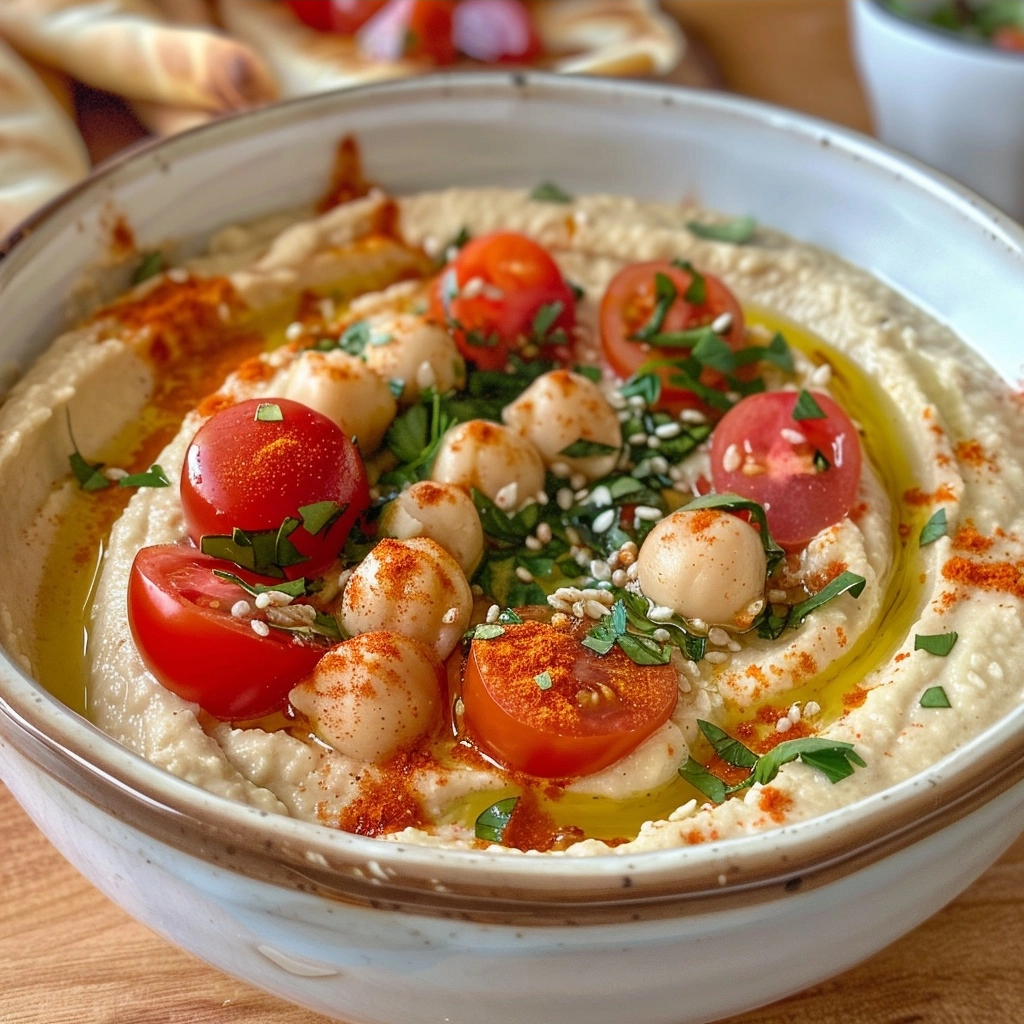
An authentic hummus recipe produces a silky, protein-packed spread using high-quality chickpeas, tahini, lemon juice, and garlic. Achieving perfect texture requires patience, specifically when processing ingredients to emulsify fats and proteins into a smooth consistency. By following traditional techniques, you create a batch that far surpasses any store-bought container in both flavor and mouthfeel.
| Prep Time | Cook Time | Total Time | Servings | Difficulty | Cuisine |
|---|---|---|---|---|---|
| 10 minutes | 0 minutes | 10 minutes | 6 servings | Easy | Middle Eastern |
Why This Recipe Works
This authentic hummus recipe relies on the ratio of quality tahini to chickpeas to ensure a rich, nutty base. Authentic Middle Eastern kitchens prioritize the quality of the sesame paste, as it provides the essential fat content needed for a velvet-smooth finish.
My experience refining this process taught me that adding ice water during the blending phase is the secret to light, airy results. This technique forces the proteins to stabilize, preventing the hummus from feeling heavy or oily on the palate.
Ingredients
| Ingredient | Quantity | Notes |
|---|---|---|
| Chickpeas | 15 oz can | Drain and rinse thoroughly |
| Tahini | 1/2 cup | Use light, hulled sesame paste |
| Lemon Juice | 1/4 cup | Freshly squeezed juice only |
| Garlic | 1 clove | Minced finely |
| Olive Oil | 2 tbsp | Extra virgin variety |
| Ice Water | 2-3 tbsp | Essential for fluffiness |
| Salt | 1/2 tsp | Adjust to taste |
Step-by-Step Instructions
Emulsifying the Base
- Combine the tahini and lemon juice in a food processor.
- Process the mixture for 60 seconds until the texture looks whipped and pale.
- Add the garlic and salt to the tahini lemon base.
- Whisk the mixture again to ensure even seasoning distribution.
Blending the Chickpeas
- Add half of the rinsed chickpeas to the processor bowl.
- Blend for one full minute to break down the firm bean structure.
- Add the remaining chickpeas and the olive oil to the bowl.
- Process for two minutes until the mixture looks thick and grainy.
Achieving Final Aeration
- Stream in the ice water while the processor runs.
- Continue blending for another two minutes until perfectly smooth.
- Check the consistency and add more water if needed.
- Transfer to a serving bowl and garnish with a drizzle of olive oil.
Chef Tips for Perfect Results
- Remove the chickpea skins if you desire an ultra-silky, luxury restaurant-style texture.
- Use high-quality, runny tahini that has not separated into solid and liquid layers.
- Always use fresh lemon juice rather than bottled to avoid a bitter, metallic aftertaste.
- Process the base for longer than you think is necessary to build the protein structure.
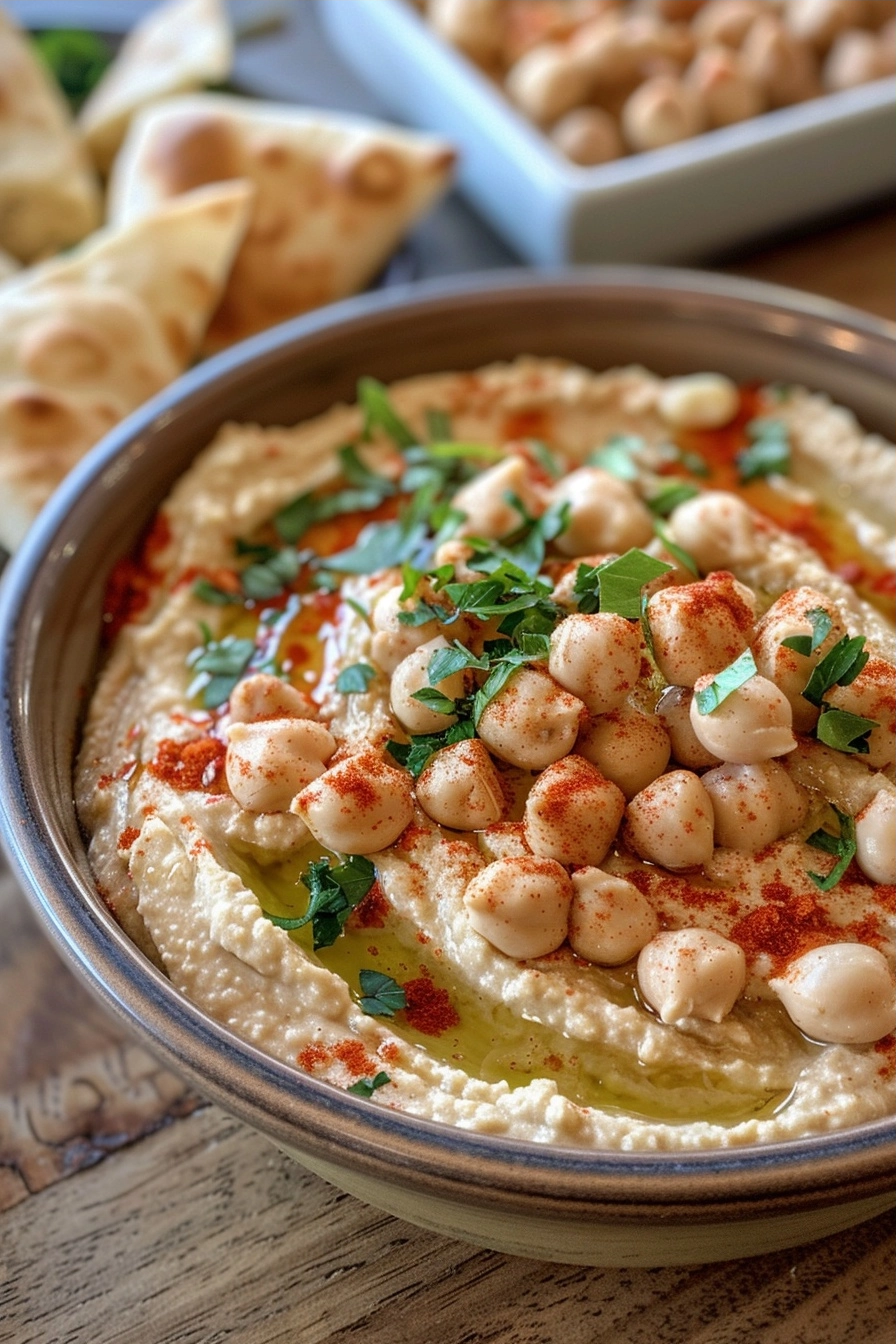
- Keep a small amount of whole chickpeas aside for a beautiful, textured garnish.
Common Mistakes to Avoid
Using cold chickpeas directly from the can leads to a grainy, dense spread that does not aerate properly. Fix this by rinsing well and ensuring they are at room temperature. Overloading the processor prevents even movement of the blades, which creates lumps. Fix this by processing in two distinct phases as indicated above. Neglecting to salt properly masks the nutty Tahini flavor, so adjust in small increments. Finally, using old garlic adds a harsh bite that ruins the subtle balance of the dish.
Variations and Substitutions
| Ingredient | Substitution | Impact on Flavor |
|---|---|---|
| Garlic | Roasted Garlic | Adds a sweeter, deeper roasted profile |
| Lemon Juice | Apple Cider Vinegar | Provides a sharper, less floral acidity |
| Olive Oil | Avocado Oil | Creates a more neutral background flavor |
Serving Suggestions and Pairings
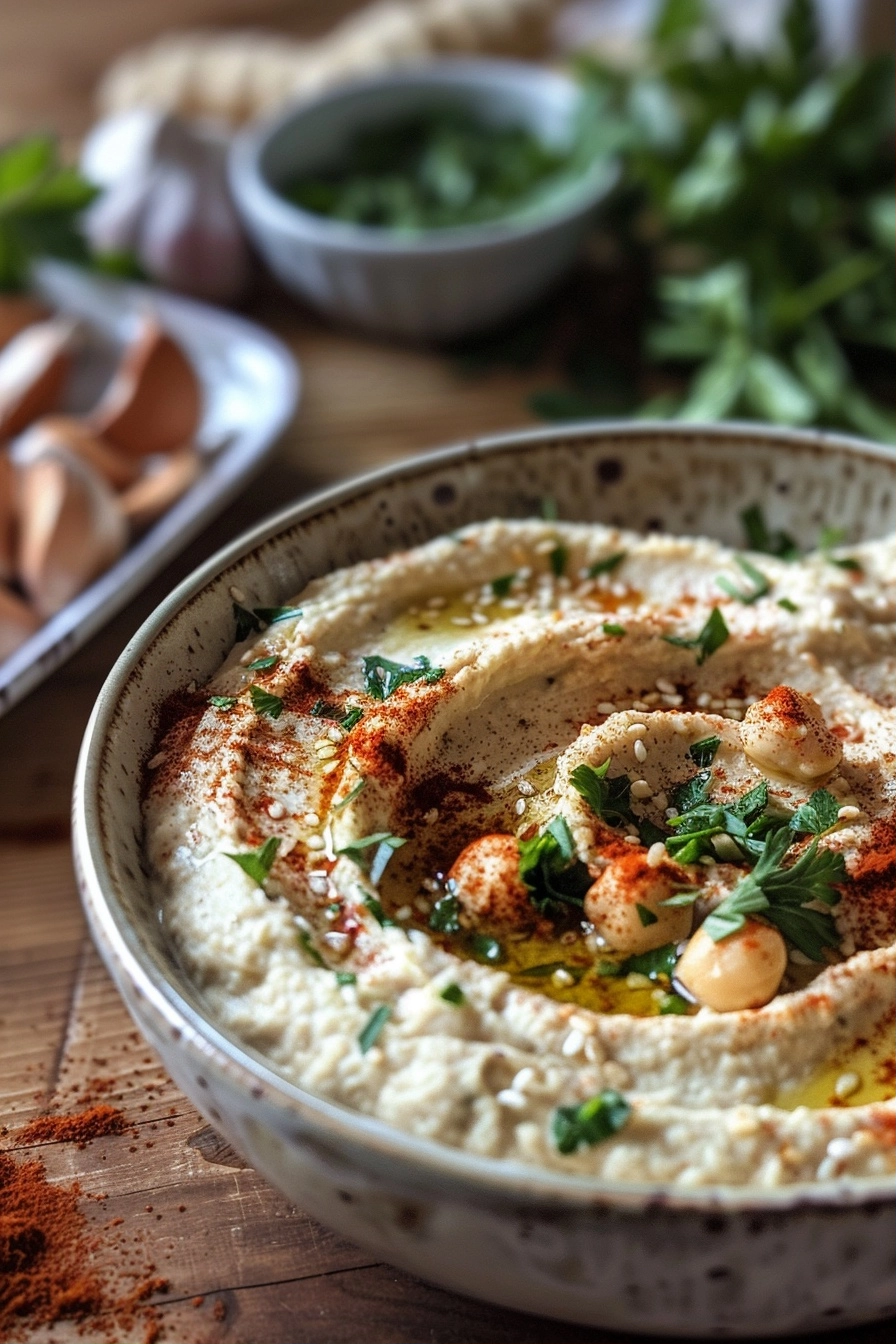
Serve this dish with warm pita bread or fresh vegetable sticks for a standard Mediterranean diet snack. It works perfectly as a base for spiced lamb meat or roasted cauliflower during a mezze dinner. For an elegant touch, top the center of the bowl with a dusting of paprika and chopped fresh parsley before serving at parties.
Storage and Reheating
| Method | Duration | Instructions |
|---|---|---|
| Refrigerator | 5 Days | Store in an airtight glass container |
| Freezer | 3 Months | Freeze in individual portions for quick defrosting |
Nutritional Information
Approximate values per serving:
| Nutrient | Amount |
|---|---|
| Calories | 180 kcal |
| Protein | 6g |
| Fat | 12g |
| Carbohydrates | 14g |
| Fiber | 4g |
Frequently Asked Questions
Can I make hummus without tahini?
You can substitute tahini with peanut butter or sunflower seed butter if you have an allergy. This change creates a different flavor profile but maintains the necessary fat content for a creamy texture.
How to fix runny hummus?
Runny hummus indicates too much liquid was added to the mixture. Add more chickpeas or a small amount of extra tahini to thicken the emulsion back to your desired thickness.
Is homemade hummus better than store-bought?
Homemade versions provide significantly better nutrition profiles by excluding preservatives and seed oils. You control the ingredient quality, ensuring a cleaner final product that tastes fresher every time.
How to store hummus for the best flavor?
Store your batch in an airtight glass container to prevent flavor absorption from other foods. Bringing it to room temperature before serving enhances the aromatics and creates a superior spreadability.
How do you know when hummus is done?
The hummus is finished once the mixture reaches a pale, whipped, and homogenous consistency without visible bean fragments. It should slide easily off a spoon without sticking to the sides of the bowl.
Mastering this authentic hummus recipe requires focus on the emulsification process, but the results are worth the effort. By prioritizing quality ingredients and following the aeration technique, you gain a versatile staple for any kitchen. Enjoy the rich, nutty notes of fresh tahini paired with the bright zest of lemon in every spoonful. Happy cooking and enjoy your homemade spread.
PrintAuthentic Hummus: The Ultimate Creamy Classic
This authentic hummus recipe creates an exceptionally silky, protein-packed spread by focusing on the traditional emulsification of premium tahini and chickpeas. By using fresh lemon juice and a secret aeration technique with ice water, you can achieve a lightweight, airy texture that is far superior to store-bought varieties. Perfect as a dip for fresh vegetables or pita bread, this classic recipe relies on simple, high-quality ingredients to deliver a rich, nutty flavor profile every time.
- Prep Time: 10
- Total Time: 10
- Yield: 6 servings 1x
- Category: Summer Desserts
- Method: Blending
- Cuisine: Middle Eastern
- Diet: Vegan
Ingredients
15 oz can chickpeas, drained and rinsed
1/2 cup tahini
1/4 cup freshly squeezed lemon juice
1 clove garlic, minced
2 tbsp extra virgin olive oil
2–3 tbsp ice water
1/2 tsp salt
Instructions
Combine tahini and lemon juice in a food processor and blend for 60 seconds until whipped and pale.
Add the minced garlic and salt to the mixture and process briefly to incorporate.
Add half of the rinsed chickpeas to the processor and blend for one minute.
Add the remaining chickpeas and the olive oil, then process for two minutes until thick and grainy.
Stream in the ice water while the processor is running.
Continue blending for an additional two minutes until the texture is perfectly smooth and airy.
Serve in a bowl, optionally garnished with an extra drizzle of olive oil.
Notes
For the smoothest texture, ensure the chickpeas are rinsed well. Using premium quality hulled tahini makes a significant difference in the flavor depth. Keep the mixture light by ensuring the ice water is truly cold before adding it during the final aeration step.
Nutrition
- Serving Size: 1/4 cup
- Calories: 165
- Sugar: 1g
- Sodium: 250mg
- Fat: 12g
- Saturated Fat: 1.5g
- Carbohydrates: 10g
- Fiber: 3g
- Protein: 5g
- Cholesterol: 0mg