
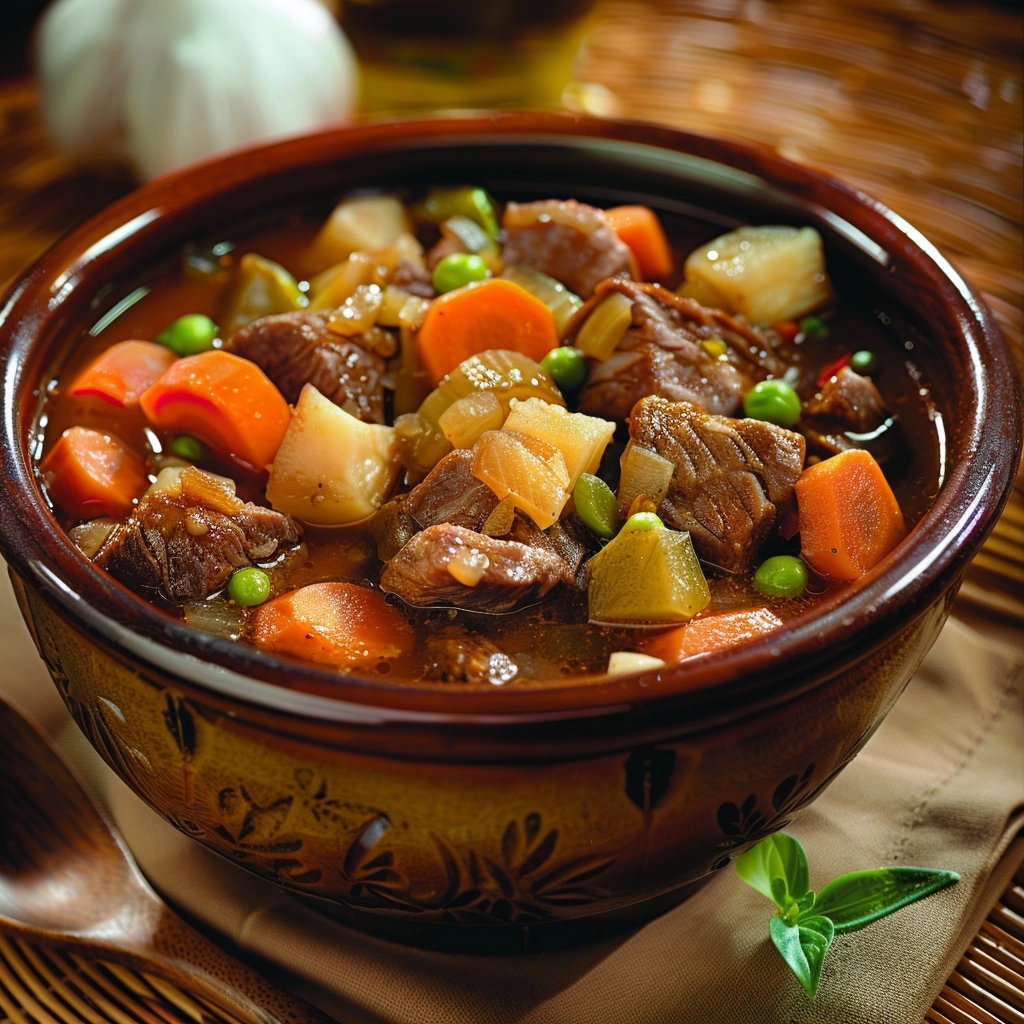
Vegetable beef stew combines tender chunks of seared beef with garden-fresh vegetables in a deeply savory, herb-infused broth. This traditional comfort food relies on the slow cooking process to meld flavors into a rich, cohesive dish that warms the body during cold weather. By following these precise techniques, you create a restaurant-quality meal directly in your home kitchen using simple pantry staples.
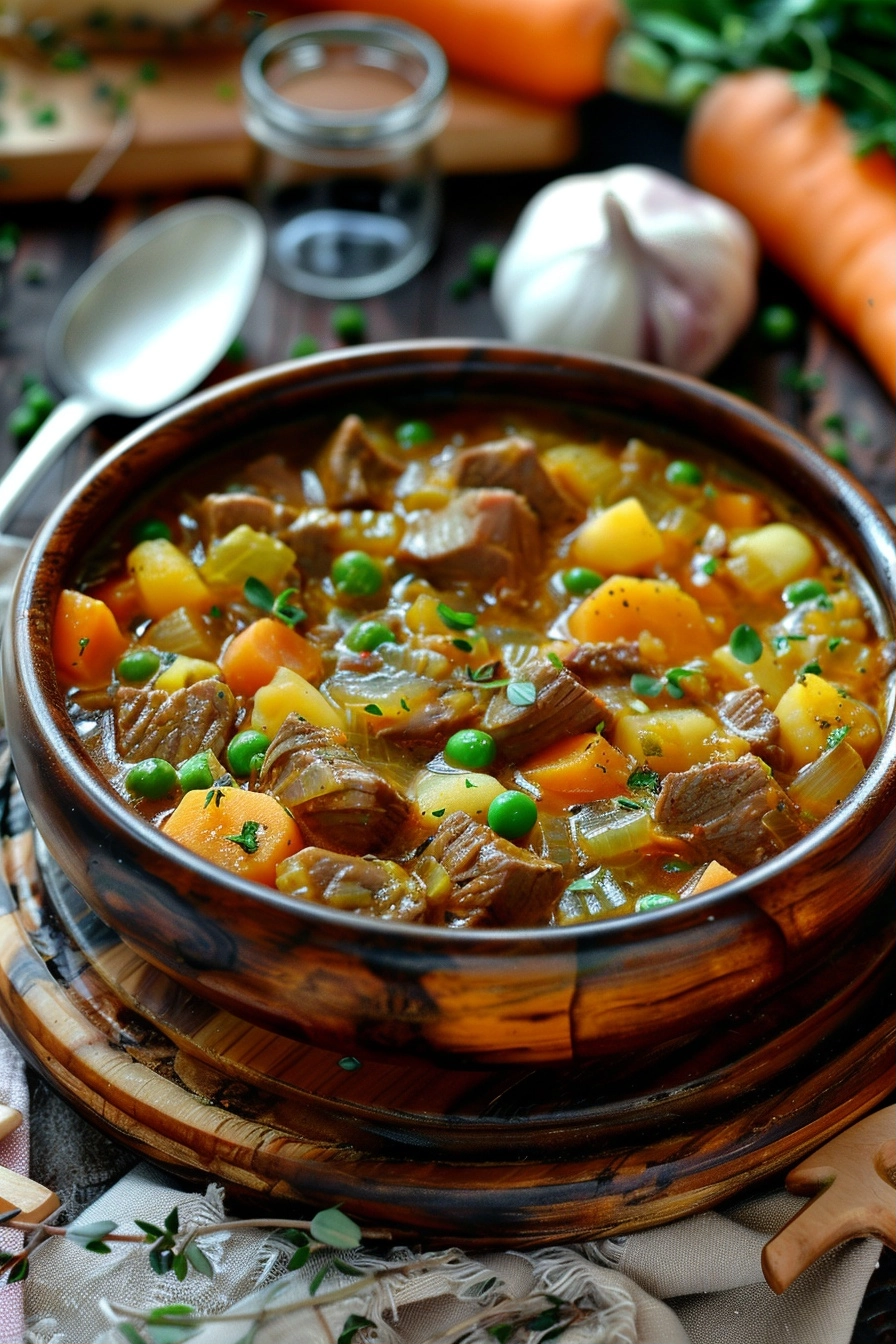
Recipe Overview
| Prep Time | 20 minutes |
| Cook Time | 2 hours 30 minutes |
| Total Time | 2 hours 50 minutes |
| Servings | 6 servings |
| Difficulty | Intermediate |
| Cuisine | American |
Why This Recipe Works
This vegetable beef stew recipe succeeds because it prioritizes the searing of the meat to build a foundational layer of flavor. Browning the beef creates a dark crust known as the Maillard reaction, which elevates the final taste profile significantly compared to boiled meat methods.
The combination of root vegetables like carrots, potatoes, and parsnips ensures the stew maintains a pleasant texture throughout the long simmering process. By adding tender ingredients like peas toward the end, I ensure each bite retains distinct flavor rather than becoming mushy or overcooked. My personal experience confirms that a long, low simmer is the only way to achieve that quintessential thick, glossy gravy consistency.
Ingredients
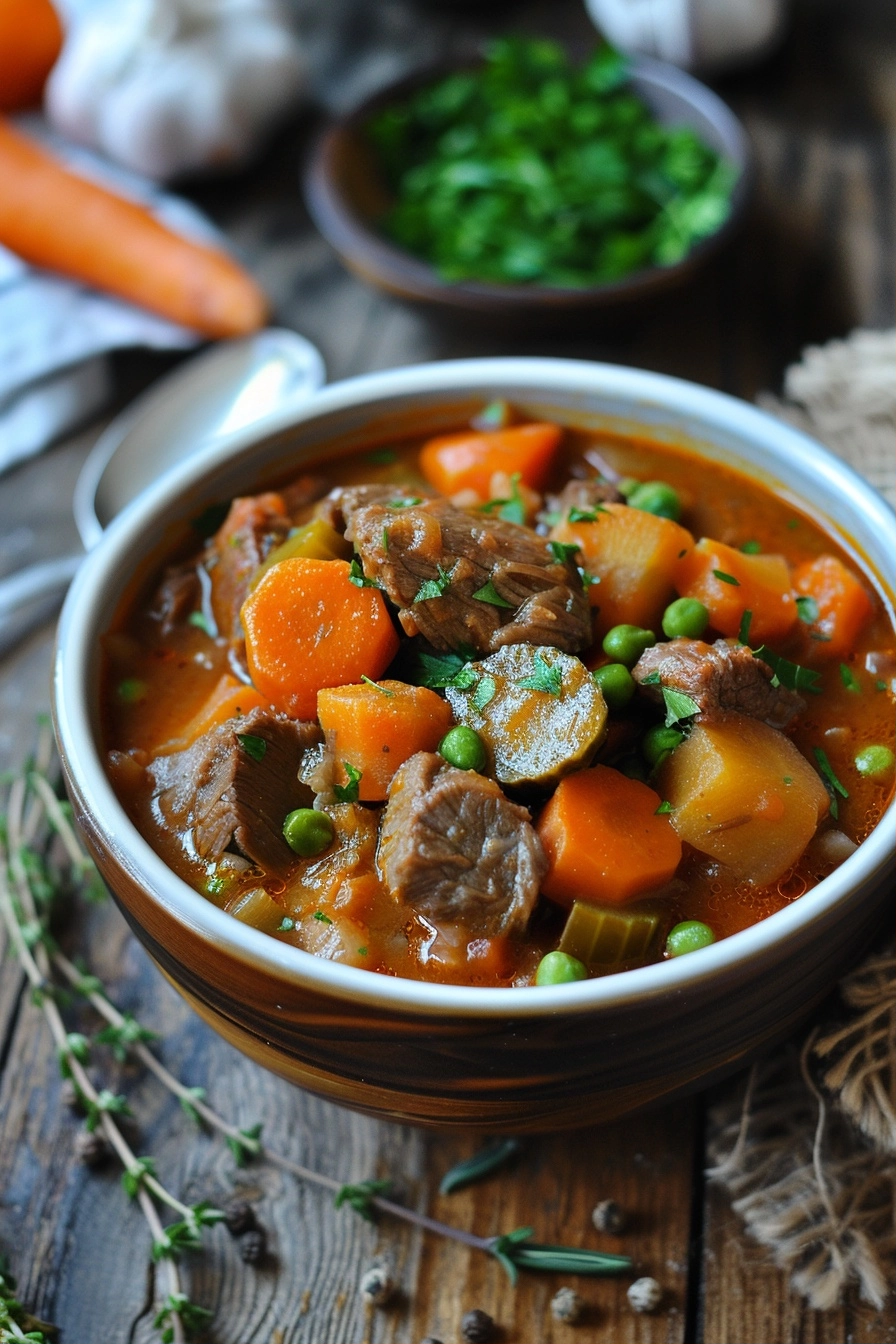
| Ingredient | Quantity | Notes |
| Beef Chuck Roast | 2 lbs | Cut into 1-inch cubes |
| Beef Broth | 4 cups | Use low-sodium to control salt |
| Russet Potatoes | 3 medium | Peeled and quartered |
| Carrots | 4 large | Sliced into rounds |
| Celery | 3 stalks | Diced |
| Onion | 1 large | Yellow or white |
| Tomato Paste | 2 tbsp | Adds depth and color |
| Dried Thyme | 1 tsp | Dried rosemary is a good swap |
Step-by-Step Instructions
Sear the Beef
- Pat the beef cubes dry with paper towels to ensure a better sear.
- Heat two tablespoons of oil in a large Dutch oven over medium-high heat.
- Brown the beef cubes in batches to avoid crowding the pot, ensuring color on all sides.
- Remove the beef to a plate and set aside for later use.
Build the Broth
- Sauté the onions and celery in the remaining beef fat until softened.
- Stir in the tomato paste and cook for one minute to caramelize the sugars.
- Deglaze the bottom of the pot with a splash of broth to lift the browned bits.
- Return the beef and juices to the pot, adding the remaining broth and herbs.
- Simmer the mixture covered on low heat for 90 minutes until the meat is tender.
Finish with Vegetables
- Add the potatoes and carrots to the pot.
- Simmer for an additional 30 to 45 minutes until the vegetables are fork-tender.
- Stir in frozen peas five minutes before serving to preserve their bright color.
- Adjust the seasoning with salt and pepper to taste before serving hot.
Chef Tips for Perfect Results
- Always dry your beef thoroughly before searing to ensure a deep brown crust rather than steam.
- Deglaze the pot using broth or water to incorporate all those flavorful brown bits from the bottom.
- Use chuck roast specifically, as the marbling breaks down during long simmering into buttery tenderness.
- Add delicate vegetables like peas or green beans at the very end to keep them vibrant.
Common Mistakes to Avoid
- Overcrowding the pan during the searing process results in gray, steamed beef instead of beautifully browned pieces.
- Using low-heat settings for searing prevents the necessary Maillard reaction that builds deep savory notes.
- Adding potatoes too early causes them to break down completely and make the stew excessively cloudy.
- Failing to trim excess fat from the beef chuck roast leads to a greasy layer floating on the stew.
Variations and Substitutions
| Ingredient | Substitution | Impact on Flavor |
| Russet Potatoes | Yukon Gold | Creamier, holds shape better |
| Beef Broth | Mushroom Broth | Adds earthy, umami depth |
| Thyme | Fresh Rosemary | More piney and robust aroma |
Serving Suggestions and Pairings
This vegetable beef stew pairs perfectly with crusty sourdough bread or homemade buttermilk biscuits designed to soak up the thick broth. For a lighter touch, serve the stew over a small bed of wide egg noodles or alongside a crisp garden salad dressed in a sharp vinaigrette. It serves as an excellent main course for Sunday dinner parties or casual family gatherings where warmth and comfort are the primary goals.
Storage and Reheating
| Method | Duration | Instructions |
| Refrigerator | 3-4 days | Cool completely then store in airtight containers |
| Freezer | 3 months | Freeze in individual portions for easy meals |
| Stovetop | 10 minutes | Reheat on low heat to avoid overcooking vegetables |
Nutritional Information
| Nutrient | Amount per Serving |
| Calories | 350 kcal |
| Protein | 28g |
| Fat | 14g |
| Carbohydrates | 32g |
| Fiber | 4g |
Frequently Asked Questions
Can I swap the beef for lamb in this stew?
Yes, you can substitute the beef chuck roast with lamb shoulder for a slightly gamier, rich flavor profile. Follow the exact same searing and simmering process to ensure the lamb reaches tender consistency.
How do I know when the beef is perfectly cooked?
The beef is ready when it pulls apart easily with a fork under light pressure. If the meat resists the fork, it requires more simmering time to break down the collagen.
What should I do if my stew is too thin?
Remove a few chunks of cooked potatoes and mash them before stirring back into the pot to naturally thicken the gravy. Alternatively, whisk a tablespoon of cornstarch with cold water and add it to the simmering stew.
Can I prepare this vegetable beef stew ahead of time?
You can prepare this stew one day in advance, as the flavors often deepen after sitting in the refrigerator overnight. Reheat it slowly on the stove to maintain the integrity of the vegetables.
Is this recipe suitable for freezing?
This stew freezes remarkably well if you place it in sealed, freezer-safe containers once it has fully cooled. Thaw the container in the refrigerator overnight before reheating it on the stovetop.
Mastering this vegetable beef stew requires nothing more than patience and high-quality ingredients. By allowing the beef to braise slowly, you develop a depth of flavor that is impossible to replicate with shortcuts. Focus on the searing process and use fresh aromatics to ensure your finished dish stands out at any table. Enjoy the process of creating this classic comfort dish, knowing that every minute of simmering results in a more delicious, heartwarming meal for your family to enjoy together.